When the lights go out, the silence can be deafening — and anxiety-inducing. Beyond the inconvenience, power outages can mean spoiled food, frozen pipes, work interruptions, or even safety concerns. That's where a reliable backup power source becomes indispensable. But navigating the options for Choosing the Right Standby Generator: Models, Sizes, and Their Cost Implications can feel like a complex puzzle. Don't worry, we're here to cut through the jargon and help you make an informed decision that brings true peace of mind.
Think of this guide as your personal expert consultation, designed to equip you with the knowledge to select the perfect generator for your home and lifestyle.
At a Glance: Key Takeaways for Your Generator Hunt
- Your needs dictate the type: Portable generators are great for temporary, on-the-go power; home standby units are for automatic, whole-house backup.
- Size matters: Calculate your essential wattage first, then consider a generator that can handle both starting and running loads.
- Fuel wisely: Natural gas and propane offer continuous standby power, while gasoline and diesel are common for portable units. Solar is quiet and clean but needs backup.
- Safety isn't optional: Always use a transfer switch and operate generators outdoors, far from your home, with CO detectors in place.
- Costs vary widely: Portable units are a few hundred to a couple thousand dollars; professionally installed home standby systems can range from $8,000 to $16,000+, with variables.
- Beyond the power: Look for features like automatic CO shutoff, electric start, and low-oil shutoff for enhanced safety and convenience.
Why a Generator? Understanding Your Backup Power Priorities
Before diving into models and specs, let's clarify why you need a generator. Is it to:
- Ride out frequent blackouts with minimal disruption, ensuring your fridge, lights, and essential comforts stay on?
- Support off-grid living, providing consistent power where traditional grids don't reach?
- Power a few devices for camping trips, RVing adventures, or tailgating parties?
Each scenario points to a different type of generator, purpose-built for its task. Understanding your primary use case is the first step toward the right choice.
Demystifying Generator Types: Finding Your Perfect Match
Generators aren't one-size-fits-all. They come in several distinct categories, each with unique strengths and ideal applications.
Home Standby Generators: The Unseen Guardian
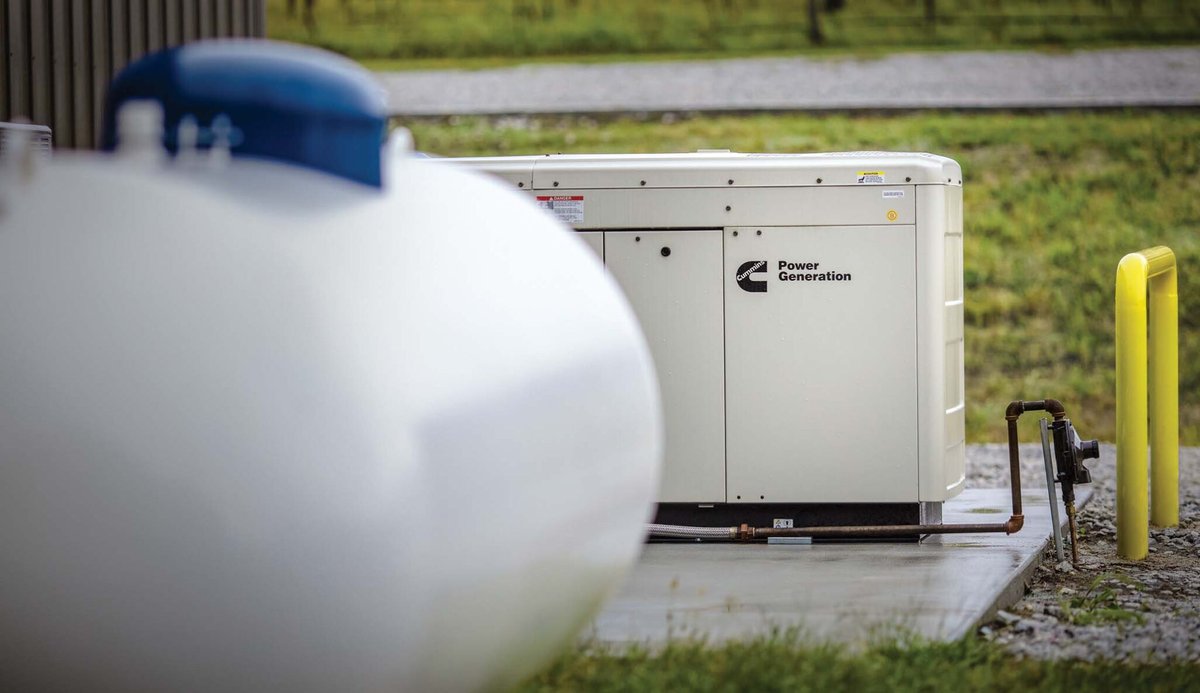
These are the heavy-duty workhorses of home backup power. Hardwired into your home's electrical system, home standby generators are designed to take over automatically when utility power fails.
- How they work: Installed by professionals, they connect to your home via an automatic transfer switch (ATS). The ATS constantly monitors grid power. When an outage occurs, it senses the loss, starts the generator, and transfers your home's electrical load. When utility power returns, it reverses the process, shutting down the generator gracefully.
- Fuel source: Most commonly run on natural gas (connecting directly to your home's gas line for virtually limitless fuel) or propane (fed from a large tank).
- Typical size: A 20kW generator is often sufficient to power most essential devices in an average home, including major appliances. Larger homes or those with high energy demands may require more.
- Pros: Fully automatic operation, seamless power transfer, can power most or all of your home, run for extended periods, permanent installation.
- Cons: Higher upfront cost, professional installation required, need a dedicated fuel line (natural gas) or large propane tank, proper location crucial due to noise and local ordinances.
- Best for: Homeowners wanting comprehensive, hands-off backup power for outages of any duration.
Portable Generators: Power on the Go
As the name suggests, these units are designed for mobility. They're versatile and can be a lifesaver for temporary power needs outside the home or for essential circuits during shorter outages.
- How they work: You manually start them, typically with a pull cord or electric start. Power is drawn directly from outlets on the generator via extension cords or, for safer home use, connected to a manual transfer switch.
- Fuel source: Usually run on gasoline, though some offer dual-fuel (gasoline/propane) options.
- Sizes: Vary significantly, from small units powering a few lights to larger models capable of handling multiple appliances.
- Pros: Less expensive than standby generators, highly versatile for camping, RVing, tailgating, or powering tools on a job site, relatively easy to move (though larger ones are heavy).
- Cons: Manual operation, require refueling, louder than inverter models, less safe for home use without a transfer switch, typically shorter runtimes.
- Best for: Recreational use, powering specific tools, or providing backup for a few critical items during brief outages.
Inverter Generators: Quiet, Efficient Portable Power
An important subset of portable generators, inverter generators represent a leap forward in technology.
- How they work: Unlike traditional portable generators that run at a constant RPM, inverter generators adapt their engine speed to the power demand. They convert AC power to DC, then "invert" it back to clean AC power, which is safer for sensitive electronics.
- Fuel source: Predominantly gasoline.
- Pros: Significantly quieter operation (often 50-60 decibels), much more fuel-efficient, produce "clean" power ideal for electronics, often lightweight and compact.
- Cons: Generally more expensive than conventional portable generators of similar wattage, may have lower power output than large conventional portables.
- Best for: Camping, RVing, quiet neighborhoods, or anyone needing to power sensitive electronics like laptops or medical devices.
Solar Generators: Silent, Clean, and Limited
Think of solar generators not as traditional generators with engines, but as large, portable battery banks that can be charged via solar panels, wall outlets, or car chargers.
- How they work: They store energy in a battery, which is then converted to AC power for your devices. They operate silently as there's no engine.
- Fuel source: Sunlight (via solar panels) or grid electricity. No gas or propane needed.
- Pros: Zero emissions, silent operation, no fuel storage required, portable, low maintenance.
- Cons: Potentially limited runtimes depending on battery capacity, reliant on sunlight for recharging (needs backup for extended use or cloudy days), typically lower power output compared to gas/propane units, higher upfront cost for significant capacity.
- Best for: Short-term power for small devices, emergency lighting, or charging electronics where silence and cleanliness are paramount, such as apartments or remote cabins with limited power needs.
Sizing Up Your Needs: How Much Power Do You Really Need?
This is perhaps the most crucial step in choosing a generator. Undersize, and you'll be frustrated; oversize, and you'll waste money and fuel.
To figure out your wattage requirements, grab a pen and paper or open a spreadsheet.
- List Your Must-Haves: Identify every appliance and device you absolutely need to run during an outage. Think: refrigerator, freezer, well pump, sump pump, furnace fan, essential lights, medical equipment, phone chargers, computers, TV.
- Find Running & Starting Watts:
- Running Watts: The power an appliance uses continuously.
- Starting (Surge) Watts: The momentary burst of power needed for motor-driven appliances (like refrigerators, well pumps, air conditioners) to start up. This can be 2-3 times their running watts.
- You'll find these on appliance labels, owner's manuals, or online wattage charts.
- Calculate Your Total:
- Add up the running watts of all devices you want to operate simultaneously.
- Identify the single highest starting wattage appliance on your list.
- Your required generator size should be the total running watts PLUS that single highest starting wattage. For example, if your total running watts are 5,000W and your refrigerator needs 1,800W to start (while running at 600W), you'd need at least 6,800W peak output.
Example for a Portable Generator:
If you only want to power a refrigerator (600 running / 1800 starting), a few lights (100 total), and charge phones (50 total): - Total running watts: 600 + 100 + 50 = 750W
- Highest starting watts: 1800W (refrigerator)
- Minimum generator output: 750W + 1800W = 2550W (peak). Look for a generator in the 3000-4000W range to give yourself a buffer.
For Home Standby Generators:
A professional installer will conduct a load calculation to determine the precise size. As a general guideline, a 20kW generator can often power most essential circuits in an average home (e.g., refrigerator, freezer, lights, furnace, microwave, some outlets). Larger homes or those wanting to run central air conditioning might need 22kW to 48kW or more.
Fueling Your Peace of Mind: A Look at Generator Fuel Sources
The type of fuel your generator uses significantly impacts its operation, convenience, and cost.
- Gasoline: The most common fuel for portable generators due to its availability.
- Pros: Widely accessible.
- Cons: Short shelf life (requires fuel stabilizer for storage), highly flammable, difficult to store in large quantities, fuel consumption can be high for larger units. Prepare ahead for outages.
- Propane: A clean-burning fuel, frequently used for standby generators and some portable models as a backup.
- Pros: Cleaner burning (less maintenance), longer shelf life than gasoline, readily available in tanks, safer to store.
- Cons: Less energy-dense than gasoline (meaning you'll use more of it for the same power output), large tanks needed for extended standby use.
- Diesel: Popular for larger portable and industrial-grade generators.
- Pros: Stores longer than gasoline, lower fire hazard than gasoline, highly fuel-efficient.
- Cons: Diesel generators are often more expensive, diesel fuel can gel in extreme cold without additives, produces emissions.
- Natural Gas: Exclusively for home standby generators, connecting directly to your home's existing gas line.
- Pros: Virtually limitless fuel supply during an outage (no need for refueling), clean-burning.
- Cons: Less energy-efficient than propane or diesel (generator needs to be slightly larger for the same power output), professional installation tied to your home's gas line is mandatory, not available everywhere.
- Solar: Relies on sunlight and battery storage for power.
- Pros: Free, clean, renewable energy, silent operation, no emissions.
- Cons: Performance dependent on sunlight, limited runtimes without sufficient battery reserve, typically lower power output.
Connecting Your Generator Safely: The Transfer Switch Imperative
This isn't just a recommendation; it's a critical safety device, especially for home use. A transfer switch safely connects your generator to your home's electrical panel, isolating your house from the utility grid. Without it, you risk "backfeeding" electricity onto the utility lines, which can be lethal to utility workers and damage your generator or appliances.
- Automatic Transfer Switches (ATS): Standard for home standby generators. They automatically detect an outage, start the generator, and switch your home's power source from the grid to the generator. When utility power resumes, they automatically switch back and shut the generator off. Seamless, hands-off operation.
- Manual Transfer Switches (MTS): Used with portable generators. You manually start the generator, then physically flip a switch on the MTS to transfer power from the grid to the generator. This allows you to power specific circuits (like lights, fridge, furnace) directly through your home's wiring.
- The Extension Cord Dilemma: For portable generators, using extension cords directly from the generator to appliances is an option, but it's less safe and inconvenient. It limits power to only outlet-connected devices, leaving out critical hardwired items like overhead lights, well pumps, or sump pumps. A manual transfer switch, professionally installed, is the far superior and safer solution for partial home backup.
Beyond the Basics: Essential Features to Look For
Modern generators come with a host of features designed to enhance safety, convenience, and longevity.
- Automatic CO Shutoff: A vital safety feature, especially common in newer portable models. It automatically powers down the unit if dangerous carbon monoxide levels are detected around the generator. Remember, CO is an odorless, colorless, lethal gas.
- Electric Start: Say goodbye to wrestling with a pull cord. Electric start allows you to fire up the generator with the push of a button, a turn of a key, or even a remote control. A huge convenience, especially in an emergency.
- Low-Oil Shutoff: This crucial feature automatically shuts off the generator if the oil level drops too low, preventing potentially catastrophic engine damage.
- Fuel Gauge: Simple yet incredibly useful for gas/diesel generators, letting you monitor fuel levels at a glance and anticipate when refueling is needed.
- Noise Level: Generators can be loud. Measured in decibels (dB), quieter units (like most inverters) operate around 50-60 dB (conversation level), while louder portable models can reach 90-100 dB (comparable to a lawnmower or motorcycle). If noise is a concern for you or your neighbors, pay close attention to this spec.
- AC vs. DC Generators: Most household appliances operate on AC (alternating current) power. While DC (direct current) generators exist, primarily for charging battery banks, they require an inverter to convert power to AC for general home use. Focus on AC output for typical home backup.
Understanding the Cost Implications: What to Expect
The financial outlay for a generator varies wildly based on type, size, features, and installation complexity.
Home Standby Generator Costs
This is where the investment is most significant, but so are the benefits. The cost for a professionally installed home standby generator typically includes:
- The Unit Itself: The generator unit accounts for a substantial portion.
- The Automatic Transfer Switch (ATS): Essential for seamless, safe operation.
- Installation Labor & Materials: This involves electrical work, gas line connection (if natural gas), pouring a concrete pad, permits, and any necessary site preparation.
Average total installation, including the unit, ranges from $8,000 to $16,000.
However, several factors can significantly influence this:
- Existing Infrastructure: If you have an easily accessible natural gas line and a suitable installation spot near your electrical panel, costs will be lower. New construction in ideal locations might see costs around $3,000 for installation after the unit.
- Complexity of Installation:
- Placement issues: If the generator needs to be far from the home or electrical panel, requiring extensive trenching for piping or conduit.
- Fuel Source: Needing a large propane tank installed or running a new natural gas line can add thousands.
- Electrical Updates: An older electrical panel might need upgrades to handle the generator safely.
- Site Preparation: Flood risk might require a raised stand; rocky terrain needs extra work.
- Permits and Local Regulations: These vary by municipality and can add to the total.
The takeaway: Always get multiple professional consultations and detailed estimates. This initial investment also prevents financial losses from things like food spoilage, work interruptions, or damage from issues like frozen pipes or sump pump failures during prolonged outages. For a deep dive into installation expenses, our Standby generator installation guide offers even more specifics.
Portable Generator Costs
These are much more budget-friendly and offer flexibility.
- Range: You can find basic portable generators for a few hundred dollars, while larger, feature-rich inverter models can exceed $2,500.
- Factors affecting cost: Power output (wattage), fuel type (dual-fuel options cost more), engine size, brand reputation, and included features (electric start, CO shutoff, etc.).
- Additional costs: You'll also need to factor in the cost of fuel, extension cords (rated for the current), and potentially a manual transfer switch and its installation (typically $500 - $2,000).
Location, Location, Location: Standby Generator Installation Considerations
Choosing the right spot for your home standby generator is not just about convenience; it's about safety, compliance, and performance.
- Local Ordinances and Noise Restrictions: Most municipalities have strict rules about how close a generator can be to your property line, windows, or doors, and often have noise limits. Check these before purchasing. Quieter models are a plus here.
- Proximity to Home and Fuel Source: The closer the generator is to your electrical panel and natural gas line (if applicable), the less expensive the installation will be in terms of wiring and piping.
- Clearance: Maintain at least 5 feet of clearance from surrounding surfaces to prevent overheating and fire hazards. Remember, you can never operate any gas generator in an enclosed area due to lethal carbon monoxide buildup. Keep gas generators at least 20 feet away from your home, intake vents, and screened-in porches, and always use a carbon monoxide detector inside the home.
- Regional Climate: If you live in a flood-prone area, a raised stand for the generator is essential. In regions with extreme temperatures, ensuring the unit is rated for those conditions and perhaps considering a cold weather kit is important.
- Maintenance Access: Ensure the location allows easy access for routine maintenance and annual check-ups. Regular servicing is crucial for optimal performance and longevity.
- Added Value: A permanent home standby generator can enhance your home's appeal and resale value. Some homeowners' insurance providers even offer 5-10% premium discounts, often requiring proof of professional installation.
Your Action Plan: Ready for the Next Outage
By now, you should have a much clearer picture of what's involved in choosing the right generator. No matter if you're leaning towards the quiet efficiency of an inverter, the robust reliability of a home standby system, or the versatile power of a portable unit, remember these final steps:
- Re-evaluate Your Needs: Confirm your essential wattage requirements and the primary purpose of your generator.
- Consult with Professionals (for Standby): For home standby units, professional guidance is non-negotiable. Get multiple quotes and have a qualified electrician and/or HVAC technician assess your home's unique requirements, local codes, and installation costs.
- Prioritize Safety: Regardless of the generator type, commit to safe operation: use a transfer switch for home backup, operate outdoors with ample clearance, and invest in carbon monoxide detectors.
- Plan for Fuel: Understand the fuel needs and storage requirements for your chosen generator. For gasoline, remember to use fuel stabilizer for storage.
- Factor in Maintenance: Generators are like cars; they need regular check-ups to perform when you need them most.
Power outages are an inevitability, but feeling powerless doesn't have to be. With the right generator, you're not just buying a piece of equipment; you're investing in peace of mind, comfort, and safety for your home and family.