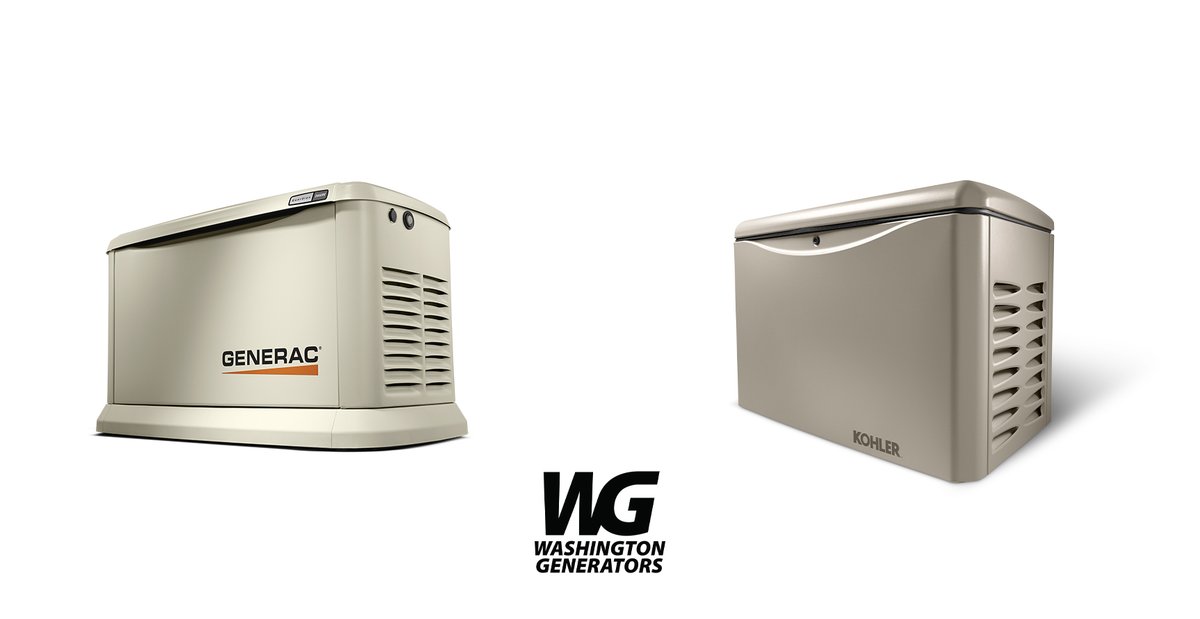
When the lights go out, a standby generator isn't just a convenience; it's a vital safeguard, keeping your home comfortable, safe, and operational. But before you can enjoy uninterrupted power, there's the critical step of installation—and understanding the detailed breakdown of standby generator installation costs is essential for any homeowner.
This isn't just about the sticker price of the unit itself. Installing a whole-home standby generator is a significant home improvement project, requiring skilled labor, electrical and plumbing expertise, and often, a concrete pad and trenching. It's a multi-faceted investment in peace of mind, and by the end of this guide, you’ll have a clear roadmap for budgeting, selecting the right system, and navigating the installation process with confidence.
At a Glance: Your Standby Generator Investment
Thinking about bringing reliable backup power to your home? Here's a quick rundown of what to expect:
- Total Installed Cost: Typically ranges from $5,000 to $15,000.
- Generator Unit Price: The unit itself usually falls between $2,000 and $10,000.
- Cost Per Kilowatt (kW): Budget roughly $2,000-$4,000 per kW installed.
- Labor & Expertise: A major component, often requiring electricians, gas fitters, and general contractors.
- Key Cost Drivers: Generator size, fuel type, site complexity, electrical upgrades, permits, and your geographic location.
- Long-Term View: Don't forget annual maintenance, which can add a few hundred to a couple of thousand dollars a year.
The Core Investment: What Really Drives Standby Generator Costs?
At its heart, the cost of installing a standby generator boils down to two main components: the generator unit itself and the labor/materials required for installation. While unit prices typically range from $2,000 to $10,000, the total installed cost generally climbs to $5,000 to $15,000. For larger, more complex systems, you might even see figures stretching beyond $20,000.
Why such a wide range? It’s not just about turning a wrench; it’s about integrating a powerful electrical appliance safely and efficiently into your home's existing infrastructure. This requires specialized knowledge and adherence to strict safety codes.
Deconstructing Your Installation Bill: Beyond the Generator Box
Understanding where your money goes is the first step toward smart budgeting. Your total installation cost isn't a single line item; it's a symphony of services and components.
1. The Generator Unit Price Itself
This is the most obvious cost. As we noted, standby generators typically start around $2,000 for smaller models and can go well over $10,000 for large, feature-rich units. Brand reputation, warranty, noise suppression features, and built-in monitoring systems all play a role here. For example, a 7 kW unit will naturally be less expensive than a 22 kW model from the same brand, purely based on its power output capabilities.
2. Skilled Labor and Professional Expertise
This is often the largest single portion of the installation cost. A typical residential standby generator installation involves a team, usually including a master electrician, a helper, and sometimes an equipment technician. They are responsible for everything from wiring to fuel line connections to testing.
- Labor Rates: Expect hourly rates to fall between $75 and $125 per hour.
- Timeframe: A standard installation can take 1 to 3 days, translating to roughly 14 to 36 labor hours for the crew.
- Specialized Trades: Depending on your fuel type, you might also need a licensed plumber or gas fitter to connect to your natural gas line or propane tank.
3. The All-Important Automatic Transfer Switch (ATS)
A key differentiator for a true standby generator is its automatic transfer switch. Unlike a portable generator that you manually start and connect, a standby unit automatically detects a power outage, starts up, and switches your home's power source from the utility grid to the generator. When utility power returns, it seamlessly switches back and shuts down the generator.
- Cost: An ATS can add anywhere from $500 to $2,000 or more to your total, depending on its capacity and features.
- Manual Options: While less common for whole-home standby systems, a manual transfer switch is a cheaper alternative but defeats the "automatic" benefit.
4. Site Preparation and Foundation Work
Generators are heavy and require a stable, level base. This usually means pouring a concrete pad.
- Concrete Pad: Costs vary based on size and thickness, but typically add $200 to $500. Some units come with composite pads, which can save a little on this front.
- Trenching: If your generator is located far from your existing electrical panel or fuel source, trenching may be required to bury electrical conduits and fuel lines. This can significantly increase costs, especially if it involves digging through concrete, extensive landscaping, or long distances. Expect to pay anywhere from $5 to $20 per linear foot for basic trenching, not including restoration.
- Clearance: Local codes often mandate specific distances from windows, doors, and combustible materials, which can influence placement and thus, trenching needs.
5. Fuel Line Installation (and Fuel Type Implications)
Whether you opt for natural gas, propane, or diesel, you'll need a way to feed the generator.
- Natural Gas: If you have an existing natural gas line, extending it to the generator location is usually the most straightforward and cost-effective option. This requires a licensed plumber/gas fitter.
- Propane: If you don't have natural gas, you'll need a large propane tank (often 250-1000 gallons) installed on your property. This involves significant upfront costs for the tank itself (which can be leased or purchased) and the accompanying gas line installation.
- Diesel: Diesel generators require their own fuel tank, which adds to the initial setup cost and may involve more stringent regulations for storage.
6. Electrical Upgrades and Permitting Fees
Your home's electrical system needs to be able to handle the generator's output and integrate safely.
- Panel Upgrades: Older homes might require an electrical panel upgrade to accommodate the new circuitry for the transfer switch, adding $500 to $2,000 or more.
- Permits: This is a non-negotiable step. Installation typically requires electrical, building, and sometimes plumbing permits to ensure compliance with local building codes, zoning laws, and safety regulations. These fees can range from $50 to several hundred dollars, depending on your municipality. Your contractor should handle this process.
Size Matters: How Generator Output Affects Price
The power output, measured in kilowatts (kW), is a primary determinant of cost. Here’s a general breakdown:
- Smaller Units (7-10 kW): Designed for essential circuits, keeping critical appliances like your furnace, refrigerator, and a few lights running.
- Installed Cost: Roughly $5,000-$7,000.
- Example: An 8 kW generator with a standard installation in a suburban area, requiring moderate permits, might run about $7,000, including approximately 14 hours of labor.
- Mid-Range Generators (11-20 kW): These can power a significant portion of your home, including air conditioning, water heaters, and most major appliances.
- Installed Cost: Typically $7,000-$10,000.
- Example: A 12 kW unit with an enhanced transfer switch and a concrete pad, installed in a regional city, could be in the $11,000-$12,500 range, accounting for about 20 hours of labor and moderate permits.
- Larger Units (>20 kW): For whole-home backup, powering virtually everything in a larger residence.
- Installed Cost: Often starts at $10,000 and can exceed $15,000-$22,000 for high-demand, complex installations.
- Example: A 20 kW dual-fuel generator with a premium enclosure and extensive trenching in a high-demand urban area could easily reach $16,000-$22,000, involving 28-36 hours of labor and complex permitting.
Navigating the Nuances: Factors That Drive Up (or Down) Your Cost
Beyond the basic components, several other variables can sway your final bill.
Geographical Location & Regional Variations
Where you live matters significantly. Labor costs, permitting stringency, and even supply chain dynamics differ across the country.
- Regional Deltas: Expect costs to vary by -15% to +25% from the national average.
- Urban vs. Rural: Northeast urban areas, for instance, might see 15-25% higher costs due to higher labor rates and more complex regulations. Conversely, rural markets in the Southwest could be 5-15% lower.
Installation Complexity
No two homes are identical. The ease of installation directly impacts labor hours.
- Distance: How far is the optimal generator placement from your electrical panel and fuel source? Longer distances mean more trenching and longer wiring/piping runs.
- Site Accessibility: Is the site easily accessible for heavy equipment or does it require manual maneuvering through tight spaces?
- Terrain: Rocky soil, slopes, or existing landscaping can make site preparation more challenging and expensive.
Fuel Type: Availability, Infrastructure, and Cost
While natural gas is often the most convenient and cost-effective long-term fuel, its availability dictates its use.
- Natural Gas: Low per-unit cost, virtually unlimited supply. Installation involves tapping into your existing gas line.
- Propane: Requires a large storage tank (purchased or leased) and regular deliveries. The tank installation and filling are significant upfront costs.
- Diesel: Also requires a storage tank and deliveries. Diesel generators are robust but often louder and more expensive, with higher fuel storage requirements.
Brand and Features
Just like cars, generators come with various levels of sophistication and brand recognition.
- Leading Brands: Generac, Briggs & Stratton, and Cummins are market leaders, each offering a range of models.
- Generac: Widely recognized, offering 7 kW to over 22 kW models (e.g., Guardian Series with automatic transfer switches, Mobile Link monitoring).
- Briggs & Stratton: Known for ease of use and maintenance, models from 8 kW to 20 kW (e.g., Fortress Series, compact, quiet operation).
- Cummins: Robust construction and advanced technology, 13 kW to over 50 kW (e.g., user-friendly control panel, remote monitoring).
- Premium Features: Noise-reducing enclosures, Wi-Fi monitoring (like Generac's Mobile Link), cold weather kits, and extended warranties all add to the unit price.
Permits and Local Regulations: The Non-Negotiable "Hidden" Cost
This isn't just bureaucracy; it's about safety and compliance. Skipping permits is a recipe for disaster, potentially leading to fines, insurance issues, and unsafe operation.
- Required Permits: Expect to need electrical, building, and potentially plumbing permits.
- Code Adherence: All work must comply with the National Electrical Code (NEC) and any local amendments.
- Contractor's Role: A reputable, licensed contractor will handle the permitting process for you, ensuring everything is up to code. Factor these administrative costs into your budget.
Choosing Wisely: Your Generator Selection Guide
Before you even think about installation costs, you need the right generator. Here’s what to consider:
Sizing Your Needs: What Do You Really Want to Power?
This is perhaps the most critical decision. Do you want to keep just the essentials running, or power your entire home as if the outage never happened?
- Essential Circuits (5,000-10,000 watts): Focus on your furnace, refrigerator, a few lights, and perhaps a well pump.
- Whole-Home Coverage (10,000-20,000+ watts): Includes air conditioning, electric ranges, laundry machines, and all other comforts.
- Consult a Professional: A qualified installer will conduct a load calculation to accurately determine the best size for your specific needs, preventing both under-powering and overspending.
Fuel Source: Natural Gas, Propane, or Diesel?
The best fuel type for you depends on availability and your priorities.
- Natural Gas: Pros: Continuous supply (no refueling), cleaner burning, generally lower operational cost. Cons: Requires existing gas line, potential pressure drops in extreme cold.
- Propane: Pros: Can be stored on-site, cleaner than diesel, widely available where natural gas isn't. Cons: Requires a large tank and deliveries, fuel degrades slowly over time, higher cost than natural gas.
- Diesel: Pros: Durable, long-lasting, powerful. Cons: Requires a large tank, higher emissions, louder, higher maintenance, fuel can "gel" in extreme cold.
Noise Levels
Generators can be noisy. Ratings typically range from 50-70 dB, which is comparable to a normal conversation or a vacuum cleaner, respectively. If the generator will be close to a patio, bedroom, or a neighbor’s property, a quieter model is a worthwhile investment. Some premium models feature advanced sound-dampening enclosures.
The Installation Journey: A Glimpse Behind the Scenes
Understanding the typical steps involved helps you appreciate the scope of work and why professional installation is non-negotiable.
- Site Survey and Preparation: The contractor will assess your property to determine the optimal, code-compliant location for the generator. This involves ensuring proper clearances from structures, windows, and property lines. They'll prepare the ground, often pouring a concrete pad for stability and drainage.
- Electrical Connections: A licensed electrician will connect the generator to your home’s electrical panel via the automatic transfer switch. This ensures seamless power transition and prevents dangerous backfeeding into the utility grid. All wiring must adhere to the National Electrical Code (NEC) and local regulations.
- Fuel Line Installation: A qualified gas fitter or plumber will connect the generator to your chosen fuel source (natural gas line or propane tank). This involves running new piping and ensuring all connections are leak-free and secure.
- Testing and Commissioning: Once everything is connected, the system is thoroughly tested. This includes verifying the automatic transfer switch functionality, checking for proper power output under load, and ensuring all safety features are operational. The contractor will usually walk you through the system's operation and maintenance schedule.
Beyond Day One: Budgeting for Long-Term Ownership
The upfront installation is a significant investment, but it's not the only cost. Long-term maintenance is crucial for ensuring your generator reliably starts when you need it most.
Routine Maintenance & Service Plans
Think of your generator like a car engine – it needs regular care.
- Annual Costs: Expect to spend anywhere from a few hundred to a couple of thousand dollars annually on maintenance. This covers oil changes, filter replacements, battery checks, spark plug changes, and general system diagnostics.
- Maintenance Fund: It's wise to set aside 10-15% of the initial generator cost annually for maintenance.
- Service Plans: Many manufacturers and installers offer service plans, which can provide peace of mind and often include priority service during outages. These plans typically cost a few hundred dollars a year.
Common Budgeting Mistakes to Avoid
- Underestimating Installation Costs: This is the most common pitfall. People often focus solely on the generator unit price and forget the extensive labor, site work, and specialized components.
- Neglecting Ongoing Maintenance: A generator sitting idle for years without service is unreliable. Ignoring maintenance costs can lead to costly repairs down the line or, worse, failure during a critical outage.
- Failing to Account for Permits: These are mandatory and often come with fees. A reputable contractor will include this in their quote, but always verify.
- Not Factoring in Fuel Storage: For propane or diesel, the cost of a tank and initial fill-up is substantial.
Making It Affordable: Financing & Smart Savings
Investing in a standby generator is a substantial financial commitment, but there are ways to make it more manageable.
Financing Options
- Personal Loans: Banks and credit unions offer unsecured personal loans.
- Home Equity Line of Credit (HELOC): If you have equity in your home, a HELOC can provide a lower-interest financing option.
- Manufacturer Programs: Many leading generator brands, like Generac, offer their own financing programs with competitive rates.
- Local Utility Rebates/Tax Incentives: Check with your local utility company or municipality. Some offer rebates or tax incentives for energy-efficient home improvements, which might include certain generator installations.
Smart Strategies to Reduce Costs
While safety and quality should never be compromised, you can make smart choices:
- Get Multiple Quotes: Always obtain at least three detailed quotes from licensed, reputable contractors. This allows you to compare pricing, understand different approaches, and negotiate.
- Bundle Electrical Upgrades: If you're considering other major electrical work, sometimes bundling it with your generator installation can offer cost savings on labor.
- Choose Standard Features: Opt for essential features over premium add-ons if budget is a major concern. You can always upgrade certain components later if needed.
- Align with Off-Peak Seasons: Contractors may offer more competitive pricing during their slower seasons (e.g., late fall or early spring, before storm season hits).
- Utilize Bundled Maintenance Plans: Sometimes, purchasing a generator and a multi-year service plan together can result in overall savings.
Ready to Power Up? Your Next Steps
Investing in a standby generator is a decision that brings immense value and security to your home. By understanding the detailed breakdown of standby generator installation costs, you're empowered to make informed choices and budget effectively.
Your best next step is to connect with reputable, licensed contractors in your area. They can assess your specific needs, conduct a load calculation, and provide detailed, itemized quotes that give you a complete picture of the investment required. Don't rush the process; take your time to compare options, ask questions, and choose the system and installer that best fit your home and budget. The peace of mind that comes with reliable backup power is truly invaluable.
For a deeper dive into overall standby generator installation costs and what's included, ensure you speak with several qualified professionals.