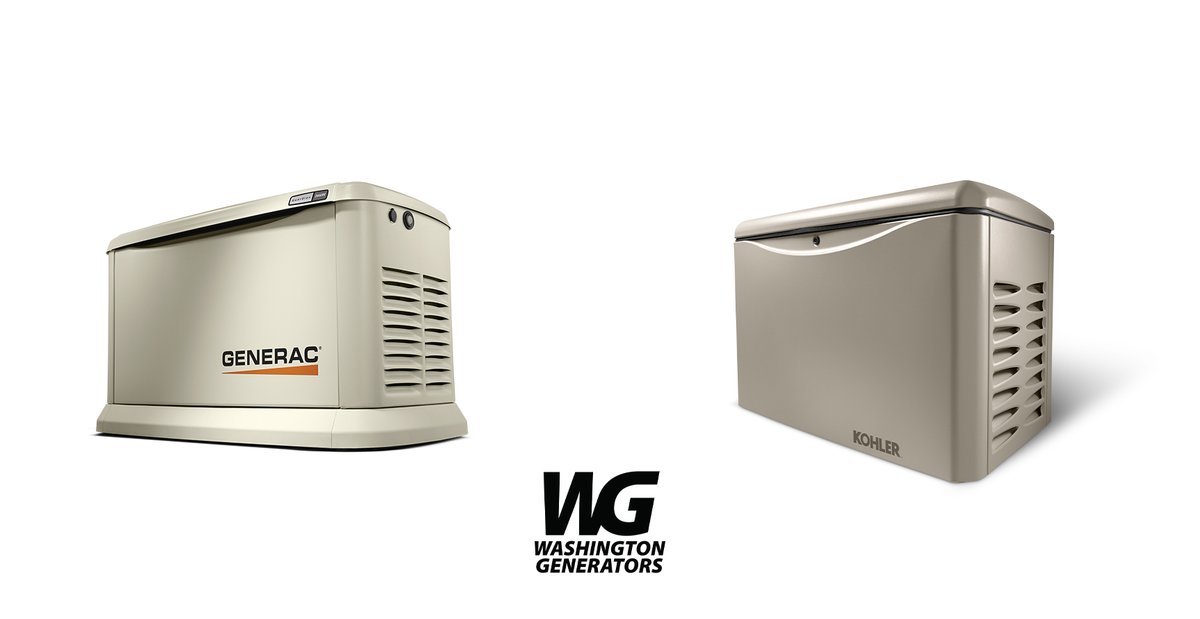
When you're facing down the uncertainty of a power outage, the peace of mind a standby generator offers is invaluable. But before you can enjoy uninterrupted power, you'll need to navigate the installation process, and more specifically, understand the Factors Influencing Standby Generator Installation Pricing. It's a significant investment, one that typically ranges from $6,000 to $22,000 for residential setups, covering systems from 8 kW to 22 kW. That's a wide range, and understanding what drives the cost will empower you to make informed decisions and secure the best value for your home.
At a Glance: What Drives Your Generator Installation Costs
- Total Project Cost: Expect to pay between $6,000 and $22,000 for a residential standby generator system (8 kW to 22 kW) including installation.
- Per-Kilowatt (kW) Estimate: Generally ranges from $2,000 to $4,000 per kW.
- Key Components: The generator unit, automatic transfer switch, installation labor, permits, and electrical/gas materials are the biggest cost drivers.
- Major Influencers: System size (kW), fuel type (natural gas vs. propane), transfer switch amperage, and installation complexity (distance to utilities, site access, trenching needs).
- Location Matters: Regional differences in labor costs and permitting fees can significantly impact your final price.
- Savings Strategies: Getting multiple quotes, accurate sizing, bundling services, and timing your installation can help reduce costs.
Understanding the Investment: Beyond Just the Box
A standby generator isn't a plug-and-play appliance. It's a robust, permanently installed system designed to automatically kick in when the grid fails, keeping your home powered and your family safe. This involves much more than just the generator itself. When you look at the total installed price, you're investing in a sophisticated network of components and professional services.
Let's break down where your money typically goes:
- The Standby Generator Unit: This is the heart of your system, ranging from $2,500 to $12,000, with an average around $5,000. Its size (kW) and brand are primary determinants.
- Automatic Transfer Switch (ATS): Essential for seamless operation, the ATS detects outages and safely switches your home's power source. Costs typically range from $500 to $3,500, averaging about $1,500.
- Installation Labor: The skilled professionals who make it all happen. This can be anywhere from $1,200 to $6,000, averaging around $3,500, reflecting the technical expertise required.
- Permits & Inspections: Local regulations are strict to ensure safety and compliance. These costs run from $100 to $1,500, with an average of $600.
- Electrical & Gas Work Materials: This includes everything from wiring and conduits to gas piping and fittings. Expect to spend $600 to $4,000, averaging $2,000.
- Delivery & Disposal: Getting the heavy unit to your home and possibly removing old equipment can add $50 to $1,000, averaging $300.
- Warranty & Miscellaneous: From manufacturer warranties to potential diagnostic checks or system commissioning, this can be an additional $0 to $1,000, averaging $350.
Together, these components underscore why you should expect a comprehensive approach when you explore standby generator installation costs. It's a multifaceted project.
The Big Picture: Core Factors Driving Your Generator's Price Tag
Several overarching factors significantly influence the final price tag of your standby generator installation. Understanding these will help you anticipate costs and prioritize your needs.
1. Generator System Size (kW Rating)
This is perhaps the most straightforward cost driver. The larger the generator's kilowatt (kW) rating, the more power it can produce, and generally, the higher its price.
- Smaller Systems (e.g., 8 kW - 12 kW): These are often sufficient for essential circuits—think refrigerator, lights, furnace, and a few critical outlets. A basic 8 kW gas standby with a relatively simple installation tends to sit at the lower end of the total cost spectrum.
- Medium Systems (e.g., 14 kW - 20 kW): These can power a significant portion of a medium-sized home, handling more appliances or even light central air conditioning.
- Larger Systems (e.g., 22 kW - 48 kW+): Designed for whole-home coverage, these generators can run virtually everything, including multiple HVAC units. A 22 kW system, especially with complex gas routing or multi-story installation, will naturally push costs towards the higher end.
Why does size matter? Oversizing a generator means paying more for capacity you don't need, both upfront and potentially in fuel consumption. Undersizing, conversely, leaves you without power for critical appliances. A pre-purchase evaluation and load calculation by a qualified professional are crucial steps to determine the ideal size for your home and usage needs.
2. Fuel Type: Natural Gas vs. Propane
The fuel source you choose for your generator plays a role in both installation complexity and ongoing operational costs.
- Natural Gas:
- Pros: Generally cheaper to operate, virtually unlimited supply (no refilling tanks), no need for onsite storage.
- Cons: Requires an existing natural gas line to your home with sufficient pressure and capacity. If a new line needs to be run or an existing one upgraded, this can add significant installation cost due due to trenching, specialized piping, and utility coordination.
- Liquid Propane (LP):
- Pros: Readily available for delivery, can be used where natural gas isn't, independent of municipal infrastructure.
- Cons: Requires a large storage tank (purchased or leased), which needs regular refilling and takes up yard space. Tank installation (pad, piping) adds to the cost, and propane itself is often more expensive than natural gas.
While natural gas might offer cheaper operational costs in the long run, initial installation could be pricier if extensive gas line work is needed. Conversely, propane installations might have higher upfront costs for the tank, but can be simpler if the generator is placed near an existing tank.
3. Automatic Transfer Switch (ATS) Amperage
The ATS is the "brain" of your standby system. It constantly monitors your utility power, and when an outage occurs, it safely disconnects your home from the utility grid and connects it to the generator.
- Amperage Rating: ATS units come in various amperage ratings (e.g., 100A, 150A, 200A, 400A). This rating should match or exceed the amperage of your home's main electrical panel.
- Cost Impact: Higher amperage ATS units are designed to handle larger electrical loads and are more complex, leading to higher material costs. If your home has a 200A main service panel, you'll need at least a 200A ATS, which will be more expensive than a 100A ATS suitable for an older, smaller electrical service.
Some installations may utilize a "managed" or "load-shedding" ATS, which can prioritize essential circuits and temporarily drop less critical ones (like a second AC unit) to allow a smaller generator to power more of the home. While these can sometimes save on generator unit size, the ATS itself might be more technologically advanced and thus pricier.
4. Installation Complexity: Where Costs Get Granular
This is often the largest variable in your total installation cost. The more challenging it is to integrate the generator into your home's existing infrastructure, the more labor and materials will be required.
- Distance from Home Panel & Gas/Fuel Piping Length: The further your generator is from your main electrical panel and its fuel source (natural gas meter or propane tank), the more conduit, wiring, and piping will be needed. Longer runs mean more materials and more labor hours.
- Site Preparation & Access:
- Concrete Pad: Generators require a stable, level surface, often a concrete pad, which adds material and labor costs.
- Trenching: If electrical or gas lines need to be run underground, trenching is required. This can be a significant expense, especially if the ground is rocky or obstacles need to be avoided.
- Landscaping: Restoring disturbed landscaping after trenching can also add to the bill.
- Site Accessibility: Is the generator location easily accessible by heavy equipment? Tight spaces, fences, or multi-story homes (requiring cranes for placement) will increase labor and delivery costs.
- Home Structure (Single vs. Multi-Story): Routing electrical and gas lines in a multi-story home can be more challenging and time-consuming than in a single-story ranch.
- Existing Clearances & Local Codes: Generators have strict setback requirements from windows, doors, property lines, and combustible materials. If your preferred location doesn't meet these, alternative (and potentially more complex/costly) placements might be necessary. Local codes can also dictate specific wiring methods, conduit types, and additional safety measures.
- Additional Components & Upgrades:
- Anti-Vibration Mounts: To minimize noise and vibration transfer, especially in close proximity to the house.
- Roof Penetrations: If lines need to be routed through a roof.
- Sub-Panels: If your existing electrical panel is full or requires extensive modifications, a sub-panel might be necessary.
- Load Testing & System Commissioning: Essential steps to ensure your system operates correctly and safely.
A basic 8 kW gas standby with simple installation (short runs, easy access) will naturally be at the lower end. Conversely, a 22 kW system requiring complex gas routing, extensive trenching, and multi-story installation will easily push you towards the higher end of the pricing scale. This highlights the importance of a thorough site visit for an accurate quote when you compare standby generator installation costs.
Beyond the Hardware: Other Significant Cost Contributors
While the generator unit and installation complexity are major players, other factors outside the direct hardware also play a crucial role in your total investment.
Permits & Inspections: The Mandated Expenses
Don't underestimate the necessity and cost of permits. Standby generators are complex installations involving electrical, gas, and structural components, all of which are subject to stringent local building codes.
- Varying Costs: Permit fees themselves can range from a nominal $100 to upwards of $1,500, depending on your municipality and the scope of work.
- Compliance: These permits ensure your installation is safe, up to code, and properly inspected by local authorities. Skipping them is a recipe for headaches, potential fines, and safety hazards.
- Time Delays: The permitting and inspection process isn't just a cost; it can add weeks to your project timeline. Your installer will typically handle this, but it's factored into their project management fees.
Labor Rates & Regional Differences: Where You Live Matters
The cost of skilled labor varies significantly across different regions, and this is a primary driver of installation price disparities.
- Hourly Rates: Typical labor rates for qualified electricians and plumbers (often 2-3 technicians are involved) range from $75 to $150 per hour. An installation can take anywhere from 1 to 3 days (12 to 36 hours of labor).
- Geographic Impact:
- Urban Core Markets: In densely populated areas like the Northeast or major metropolitan centers, labor costs and overhead are higher. You might see prices +15% to +25% above the national average.
- Suburban Areas: Often align closely with national average pricing.
- Rural Regions: Areas with lower costs of living, such as parts of the Southwest, may see -10% to -20% lower prices due to reduced labor costs and potentially simpler permitting processes.
When researching, be mindful that a quote from New York City will likely differ significantly from one in rural Alabama. For a deeper dive into how geography impacts pricing, it's worth taking a moment to understand regional generator installation costs.
Delivery & Site Logistics: Moving the Heavy Metal
Standby generators are heavy, bulky pieces of equipment. Getting them from the distributor to your property, and then positioned correctly on the installation site, requires specialized equipment and manpower.
- Shipping Costs: Freight charges are typically included.
- Heavy Lifting: Depending on the generator's weight and site access, a forklift, crane, or other heavy machinery might be needed for placement. This adds to the labor and equipment rental costs.
- Old Unit Disposal: If you're replacing an existing generator, its removal and disposal will also be part of the project's overall logistical costs.
Warranty & Service Plans: Protecting Your Investment
While not strictly an "installation cost," the warranty and options for ongoing service are crucial considerations that impact your long-term investment.
- Manufacturer Warranty: Most generators come with a standard manufacturer's warranty covering parts and labor for a period (e.g., 3-5 years).
- Extended Warranties/Service Plans: Many installers offer extended warranties or maintenance contracts. These can add to the upfront cost but provide peace of mind and help ensure the longevity and reliability of your system. They're often a smart investment to protect against unforeseen repairs down the line.
Navigating the Quotes: How to Save Smartly (Without Cutting Corners)
Given the range of factors influencing costs, getting the best value requires a strategic approach. Here’s how you can save without compromising on quality or safety.
1. Compare Multiple Quotes
This is perhaps the most fundamental piece of advice. Always solicit at least three detailed, itemized quotes from reputable, licensed installers. This allows you to:
- Spot Discrepancies: Identify wide variances in pricing for similar work.
- Understand What's Included: Ensure each quote specifies exactly what's covered (generator model, ATS, materials, labor, permits, cleanup, warranty).
- Gauge Expertise: Engage with different contractors to assess their professionalism and understanding of your specific needs.
- Negotiate: With competing offers, you might have leverage for a better price.
2. Size Your Generator Appropriately
Don't guess. As mentioned, oversizing costs more upfront and in fuel, while undersizing leaves you underprepared.
- Pre-Purchase Evaluation & Load Calculation: Insist that any reputable installer performs a thorough load calculation for your home. This process analyzes your electrical usage to determine the smallest, most efficient generator that will meet your actual needs. Be wary of installers who don't offer this.
- Prioritize Circuits: Decide what absolutely must run during an outage (lights, fridge, furnace) versus what would be nice (all TVs, hot tub). This can significantly influence the required kW.
3. Consider Bundling Services
Many companies that sell generators also offer installation services.
- Single Vendor Advantage: Using one vendor for both the equipment and installation can sometimes lead to package deals or reduced coordination costs. It also simplifies accountability if issues arise.
- Permit Management: Ensure your chosen vendor will handle all necessary permits and inspections as part of their service.
4. Request a Fixed-Price Contract with a Line-Item Contingency
While you want a firm price, unforeseen issues can arise during complex installations.
- Fixed-Price: A fixed-price contract ensures you know your total cost upfront, minimizing surprises.
- Contingency Line-Item: Ask for a contingency clause that clearly outlines what happens if unexpected work (e.g., discovering an old, non-compliant gas line) is required. This avoids inflated "change order" prices mid-project.
5. Time Your Installation with Off-Peak Seasons
Demand for generator installations can fluctuate.
- Off-Peak Discounts: Installers may offer better pricing or quicker scheduling during slower seasons (e.g., late fall or winter in areas not prone to winter storms, or during the early spring before hurricane season ramps up).
- Avoid Emergency Pricing: Don't wait until a major storm is forecasted. Emergency installations are almost always more expensive.
6. Choose Standard Features Over Premium Options
Just like cars, generators have various features and trim levels.
- Essential vs. Luxury: Decide if you need Wi-Fi monitoring, remote diagnostics, or ultra-quiet enclosures, or if a standard, reliable unit will suffice. Premium features add to the unit cost.
7. Inquire About Local Financing, Rebates, or Tax Incentives
There are sometimes opportunities to offset costs.
- Utility Rebates: Check with your local utility company for any programs encouraging generator installation.
- Manufacturer Rebates: Generator manufacturers sometimes offer promotional rebates.
- Financing Options: Many installers offer financing plans to spread the cost over time.
- Tax Incentives: While less common for residential standby generators, it's worth checking if any state or local tax incentives apply.
8. Bundle with Other Electrical Upgrades
If you're already planning other major electrical work (e.g., upgrading your main service panel), bundling a generator installation might be more cost-effective. The electrician is already on-site, potentially reducing labor costs for overlapping tasks. This is a savvy way to optimize your generator installation cost.
Common Questions About Generator Installation Costs
It's natural to have questions when making such a significant investment. Here are some common queries we hear.
"Why is standby generator installation so expensive?"
The cost reflects the complexity and specialized skills required. It involves integrating three major systems—electrical, gas/fuel, and structural—into your home's infrastructure. This requires licensed electricians, plumbers, and often general contractors. Additionally, the equipment itself (generator, automatic transfer switch) is sophisticated and designed for critical, long-term reliability. Permits, specialized tools, and site preparation all add to the expense, ensuring a safe, compliant, and durable installation that can literally keep your home running when the grid fails.
"Can I install a standby generator myself?"
While some DIY enthusiasts might feel tempted, installing a standby generator is not a DIY project for several critical reasons:
- Safety: You're dealing with high-voltage electricity and potentially explosive fuels (natural gas or propane). Incorrect installation poses serious risks of electrocution, fire, or carbon monoxide poisoning.
- Codes & Permits: Installations must comply with strict national, state, and local electrical, plumbing, and building codes. You'll need permits, and an inspector will need to sign off on the work.
- Warranty: Most manufacturers void warranties if the unit isn't installed by a licensed professional.
- Expertise: Proper sizing, transfer switch integration, fuel line connection, and system commissioning require specialized knowledge and licenses that most homeowners don't possess.
Always hire licensed, certified professionals for standby generator installation.
"What's the difference between a whole-home and essential-circuit generator, and how does it affect cost?"
- Whole-Home Generator: This system is sized and configured to power virtually everything in your house during an outage, from lights and appliances to multiple HVAC units. It requires a larger generator unit and often a larger (and pricier) automatic transfer switch. The installation complexity can also be higher.
- Essential-Circuit Generator: This system focuses on powering only your most critical appliances and circuits (e.g., refrigerator, furnace, basic lighting, water pump). It allows for a smaller, less expensive generator unit and potentially a smaller ATS. While it offers less comprehensive coverage, it's a more budget-friendly option for maintaining basic comfort and safety.
The choice directly impacts the generator's kW size and the associated installation costs for the unit, ATS, and material runs.
"How long does the installation typically take?"
Once permits are secured and the ground is broken, the physical installation of a residential standby generator usually takes 1 to 3 days (12-36 hours of actual labor time) for a team of 2-3 technicians. However, the entire project timeline can be much longer, often spanning several weeks due to:
- Site Visits & Quote Generation: Days to a week.
- Generator Ordering & Delivery: 1-4 weeks (can vary greatly based on supply chain).
- Permit Acquisition: 1-4 weeks, depending on your municipality.
- Utility Coordination: If gas line upgrades are needed, this can add more time.
It's essential to plan ahead, especially if you want your generator ready before a specific season.
Your Next Step: Getting a Personalized Estimate
Understanding the Factors Influencing Standby Generator Installation Pricing is your first step towards making a smart investment. You've learned about the major cost components, the variables that drive prices up or down, and strategies to save money without compromising on quality or safety.
Now, it's time to translate this knowledge into action. The most critical step you can take is to contact several local, licensed, and reputable standby generator installers for a thorough site assessment and detailed, itemized quotes. They can perform a load calculation specific to your home, recommend the ideal system size and fuel type, and provide an accurate estimate that accounts for all the complexities of your unique installation.
Armed with this comprehensive guide and personalized quotes, you'll be well-prepared to make a confident decision, ensuring your home remains powered and protected, no matter what the grid throws your way. To dive even deeper into understanding the financial aspects, you can always explore standby generator installation costs further.