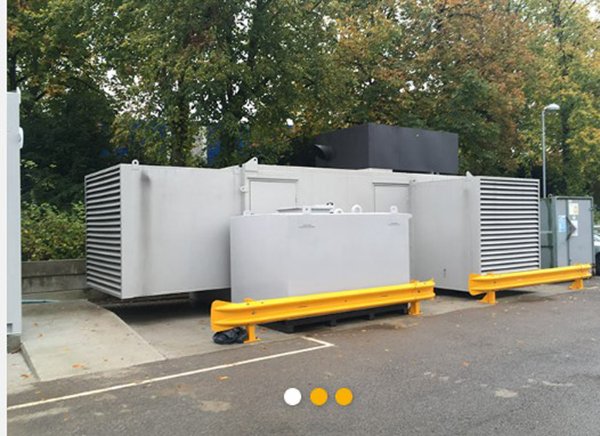
Installing a backup generator can feel like adding a new, silent guardian to your home or business, ready to spring to life when the grid falters. But before you enjoy that peace of mind, there’s a crucial path to navigate: the intricate world of Permits, Regulations, and Site Preparation for Generator Installation. Ignore it, and you risk costly delays, fines, or even serious safety hazards. Embrace it, and you ensure a safe, compliant, and reliable power solution for years to come.
Think of it less like bureaucracy and more like building a robust foundation. Just as you wouldn't build a house without proper architectural plans and inspections, you shouldn't install a powerful electrical system without understanding the rules designed to protect you, your property, and your neighbors. This isn't just about ticking boxes; it's about ensuring your generator operates safely, efficiently, and legally.
At a Glance: Your Generator Installation Roadmap
- Permits are Mandatory: Don't skip them. They ensure safety, compliance, and protect your investment.
- Regulations are Multi-Layered: Expect national electrical codes, state building codes, and very specific local ordinances.
- Site Preparation is Key: Proper placement, foundation, and clearances are non-negotiable for safety and performance.
- Documentation is Extensive: Detailed plans, diagrams, and product specs are essential for approval.
- Professional Help is a Must: Licensed electricians and, often, engineers are required for compliant installation.
- Expect Inspections: Multiple stages of checks ensure every part of the installation meets code.
Why the Red Tape? Understanding the "Why" Behind Generator Regulations
The rules around generator installation aren't arbitrary. They exist for very good reasons, primarily focused on safety, environmental protection, and maintaining neighborhood harmony. A generator is a powerful piece of machinery that handles fuel (gas, propane, diesel) and high-voltage electricity, often connecting directly to your building's electrical system. Without proper oversight, this presents several risks:
- Electrical Hazards: Incorrect wiring can lead to electrocution, fire, or "backfeeding" the grid, endangering utility workers.
- Fire Safety: Fuel storage, exhaust heat, and electrical components all pose fire risks if not properly installed and spaced.
- Carbon Monoxide Poisoning: Exhaust fumes contain lethal carbon monoxide, requiring strict ventilation and placement rules.
- Noise Pollution: Generators can be loud, disturbing neighbors if not installed with consideration for local noise ordinances.
- Environmental Impact: Fuel spills, improper exhaust, and non-compliant emissions can harm air quality and local ecosystems.
- Structural Integrity: Heavy generators require robust foundations, especially in seismic zones, to prevent damage or collapse.
Understanding these underlying concerns helps frame the various permits and regulations not as roadblocks, but as essential safeguards.
The Regulatory Landscape: A Multi-Layered Challenge
Navigating generator installation requires understanding a hierarchy of rules, each building upon the last. It's like peeling an onion, with layers of regulations dictating different aspects of your project.
National Codes and Standards: The Foundation
At the broadest level, several national codes and standards set the baseline for safe and compliant generator installations across the U.S.:
- National Electrical Code (NEC) 2023 (NFPA 70): This is the bible for electrical installations. Article 445 specifically covers generators, while Article 700 dictates requirements for emergency systems, including automatic transfer switches (ATS). The 2023 update includes new fuel cell system standards and refined grounding requirements, making it crucial to work with professionals well-versed in the latest edition.
- NFPA 110: Standard for Emergency and Standby Power Systems: This standard sets comprehensive requirements for the performance, installation, operation, and maintenance of emergency and standby power systems, including generator sets. The latest revisions often touch on testing and maintenance schedules, ensuring long-term reliability.
- International Building Code (IBC): The IBC addresses structural integrity and general building safety. For generators, it often dictates foundation requirements, especially in areas prone to seismic activity. The latest IBC iterations often include new seismic design requirements, which are vital if you're in an earthquake-prone region.
- Environmental Protection Agency (EPA) Emissions Standards: The EPA sets limits on emissions from engines, including those used in stationary generators. Be aware that updated Tier 5 emissions standards for stationary generators are slated to take effect, for some engine types, as early as January 1, 2025. This means selecting a generator that meets these stringent requirements will be mandatory.
State and Local Ordinances: The Specifics
While national codes provide a framework, states and local municipalities adopt and often amend these codes to suit their unique needs and environments. This is where the real complexity, and the potential for pitfalls, lies.
Local ordinances commonly dictate:
- Zoning and Setbacks: How far a generator must be from property lines, other structures, and even windows. These can vary significantly by residential, commercial, or industrial zones.
- Noise Regulations: Decibel limits measured at the property line, often stricter in residential areas. Many municipalities have adopted stricter noise regulations.
- Aesthetics: Some HOAs or historic districts might have rules regarding visual screening or placement to maintain neighborhood appearance.
- Fuel Storage: Specific requirements for propane tanks, diesel tanks, and their clearances.
- Fire Department Access: Ensuring emergency services can safely access and service the generator.
- Specific Submittal Documents: Beyond generic plans, local jurisdictions often require particular forms, checklists, or certifications. For instance, municipalities like Fremont outline detailed requirements for everything from planning permit application documents to specific protocols for environmental impact assessments.
It’s these local variations that underscore the importance of early research. A generator that's perfectly compliant in one town might be a non-starter just a few miles away. This is also where understanding the potential standby generator installation cost will also factor into your overall planning and budgeting.
Phase 1: Pre-Application Planning & Site Assessment – The Groundwork
Before you even think about buying a generator, you need to do your homework. This initial phase is about understanding your site's limitations and possibilities.
1. Verify Property's Zoning and Restrictions
Your first call or online search should be to your local planning or zoning department. They can tell you your property’s zoning classification (e.g., R1 residential, commercial) and any special restrictions. This is where you verify your property's specific zoning classification and any unique restrictions that might apply, similar to how municipalities like Fremont detail their various planning permit application requirements.
Are you in a wetland, floodplain, or designated habitat area? Are there historical preservation rules? All these can impact where (or if) you can install a generator.
2. Measure Setbacks and Clearances
This is critical for compliance and safety. You'll need to measure distances from:
- Property Lines: Often the strictest setback requirement.
- Other Structures: Your house, garage, shed, neighbor’s house.
- Windows and Doors: To prevent exhaust fumes from entering occupied spaces.
- Combustible Materials: Fences, shrubs, wood piles.
- Utility Meters: Gas, electric, water. PG&E, for example, has specific requirements for gas meter clearances.
- Air Intakes/Vents: For your home's HVAC system.
Local fire codes will specify clearances from combustible materials, usually several feet in all directions.
3. Contact Local Utilities for Markout Services
Before any digging for fuel lines or electrical conduits, always call 811 (or your local equivalent) to have underground utility lines marked. This prevents accidental strikes of gas, electric, water, or communication lines, which can be incredibly dangerous and costly.
4. Generator Sizing: The Crucial First Step
While not strictly a "permit" step, correctly sizing your generator is fundamental to a compliant and effective installation. An undersized generator will constantly struggle, leading to wear and tear. An oversized one is inefficient and costs more upfront and in fuel. A professional load calculation is essential to determine your actual power needs.
5. Professional Help: Engineers and Electricians
For any significant generator installation, especially a standby system, professional involvement isn't just recommended—it's typically required.
- Licensed Electrical Contractor: Absolutely essential. They understand the NEC, proper wiring, transfer switch installation, and grounding.
- Professional Engineer (PE): For complex installations, structural designs (foundations), or when a jurisdiction requires stamped plans, an engineer's expertise is invaluable. They can ensure your foundation meets seismic requirements or that your ventilation design is sound.
Phase 2: Assembling Your Permit Application – Documentation is King
Once you understand your site and have an idea of your generator's location and size, it's time to compile the documentation for your permits. This is often the most time-consuming part, but meticulous preparation here saves headaches later. Many jurisdictions, just like the City of Fremont, have various specific forms, checklists, and documentation requirements. This section is ripe for mentioning the numerous documents required, akin to how the City of Fremont offers detailed building permit application checklists and specific project categories.
The Core Documents You'll Likely Need:
- Site Plan:
- A detailed drawing of your property.
- Shows the exact proposed generator location.
- Includes all required setback measurements to property lines, existing structures, and utilities.
- Indicates electrical connections (conduit path) and fuel line paths.
- Clearly labels the generator make, model, and size.
- Electrical Diagrams (Single-Line Diagram):
- A simplified drawing showing the entire electrical system.
- Illustrates the connection from the utility meter, through your main service panel, to the automatic transfer switch (ATS), and then to the generator.
- Details conductor sizes, overcurrent protection (breakers), and grounding systems.
- Specifies the make and model of the transfer switch.
- Product Specifications (Cut Sheets):
- Manufacturer's data sheets for the generator, automatic transfer switch (ATS), and any other major components.
- These include dimensions, weights, electrical ratings, fuel consumption, noise levels, and emission data.
- Structural Details:
- Drawings and calculations for the generator's foundation (e.g., concrete pad specifications, rebar details).
- Mounting specifications, especially important in seismic zones.
- Ventilation Analysis:
- Calculations for required airflow for combustion and cooling.
- Design of the exhaust system, including piping, mufflers, and discharge location. This is crucial for preventing carbon monoxide buildup.
Beyond the Basics: Additional Documents You Might Encounter (Drawing from Fremont's Example)
Depending on your jurisdiction and project complexity, you might also need:
- Owner Authorization / Owner-Builder Verification: If you're managing the project yourself, this confirms you're aware of the responsibilities.
- Reimbursement Agreement: For complex projects that require extensive review time from the city, you might be asked to sign an agreement to cover additional staff costs.
- Hazardous Materials Disclosure Statement: If you're storing significant amounts of fuel on-site, especially diesel, this might be required by fire departments.
- Green Building Checklists: Many modern building codes, including some municipal requirements like Fremont’s, mandate certain energy efficiency or "green building" measures.
- Fire Department Applications: If your generator system is integrated with fire safety systems or involves large fuel storage, a separate fire permits and inspections application might be necessary.
- Agency Coordination List: Some projects require approvals from multiple departments (e.g., planning, building, fire, public works, air quality management districts, utilities). A coordination list helps track these.
Prepare all documents meticulously, ensuring they are clear, legible, and consistent. Incomplete applications are the leading cause of review delays.
Phase 3: Navigating the Approval Process – What to Expect
Once your application packet is complete, the actual submission and review process begins.
Application Submission
Most jurisdictions now offer online permitting portals, which streamline the process. You’ll typically upload all your documents and fill out digital forms. Some smaller towns may still require physical submission.
Review Timeline
Be patient. Permit review times vary widely based on the jurisdiction and project complexity.
- Typical: 2-6 weeks for a residential generator.
- Complex Projects: Can take several months if planning, fire, or environmental reviews are involved.
- Express Projects: Some areas offer expedited review for very simple, standardized installations, but this is less common for generators.
Fee Structure
Permit fees are typically based on the project valuation or a flat fee for the type of installation.
- Range: Generally $150-$800 for residential standby generators.
- Factors: Generator size, scope of electrical work, and local administrative costs all play a role.
- Additional Fees: You might encounter separate fees for electrical, fire, or planning reviews.
The Inspection Gauntlet
Permit approval isn't the end; it's the beginning of the inspection phase. Most generator installations require multiple inspections to ensure compliance at various stages:
- Electrical Rough-in Inspection: After conduits are run and wiring is pulled, but before walls are closed or connections are fully enclosed.
- Fuel System Inspection: If applicable (e.g., propane tank placement, gas line installation), often conducted by the fire department or a specialized inspector.
- Structural/Foundation Inspection: Before concrete is poured for the pad, or after the mounting system is installed.
- Final Electrical Inspection: After all electrical connections are made, the transfer switch is installed, and the generator is ready for operation. This verifies proper grounding, wiring, and safety mechanisms.
- Final Building Inspection: A general check to ensure all aspects meet code.
- Noise Compliance Inspection (in some areas): Especially if there were concerns about exceeding local noise ordinances.
Each inspection must pass before you can move to the next stage or receive final sign-off.
Compliance Deep Dive: Your Generator Installation Checklist
To ensure your installation is a success, here's a comprehensive checklist for key compliance areas:
Electrical Compliance Requirements
- NEC Article 445 (Generators): Verify all aspects of the generator's installation, including overcurrent protection, conductors, and disconnects, meet the latest NEC Article 445.
- Automatic Transfer Switch (ATS): Ensure the ATS is installed per NEC Article 700 (Emergency Systems) or Article 701 (Legally Required Standby Systems), providing proper isolation and preventing backfeeding.
- Grounding System: A robust grounding electrode system must be installed as per NEC Article 250 to dissipate electrical faults safely.
- Conductor Sizing: All electrical conductors (wires) must be properly sized for the anticipated load and distance to prevent overheating and voltage drop.
- Disconnects: Properly rated disconnects must be installed within sight of the generator and the transfer switch for safe servicing.
Safety and Environmental Requirements
- Noise Ordinances: Confirm the installed generator meets local noise ordinances, typically 65-75 dBA at the property line. Consider acoustic enclosures if your chosen model is borderline.
- EPA Emissions Standards: Ensure your generator meets the current (and upcoming) EPA Tier 5 emissions standards. Look for certified models.
- Fire Safety Clearances: Maintain all specified clearances from combustible materials (walls, fences, vegetation) to mitigate fire risk.
- Combustion Air & Ventilation: Adequate fresh air must be supplied for engine combustion, and proper ventilation must be in place to dissipate heat and safely exhaust fumes.
- Secondary Fuel Containment: Where required by local fire codes (often for larger diesel tanks), ensure secondary containment is provided to prevent fuel spills from contaminating the environment.
- CO Detection: Install carbon monoxide detectors inside your home/business, especially if the generator is near living spaces.
Structural and Installation Requirements
- Foundation: A proper concrete pad or engineered mounting system must be installed to support the generator's weight and prevent sinking or shifting, especially in areas with unstable soil or seismic activity.
- Weather Protection: Ensure the generator is adequately protected from rain, snow, and extreme temperatures, either by its enclosure or an external shelter (which may require its own permit).
- Maintenance Clearances: Maintain sufficient clearance around all sides of the generator (typically a minimum of 3 feet) for safe and accessible maintenance and service.
- Fuel Lines, Tanks, and Connections: All fuel lines, storage tanks, and connections must meet applicable fire codes (NFPA 58 for LP gas, NFPA 30 for liquid fuels) and be installed by qualified professionals. Finally, remember that every detail, from initial planning to final inspection, contributes to a reliable system. For example, even seemingly minor details like ensuring all fuel storage and lines meet applicable codes are critical for safety, often requiring their own set of fire department appliance signs or specific approval.
Common Compliance Pitfalls and How to Avoid Them
Even with the best intentions, it's easy to stumble. Here are some frequent missteps and strategies to sidestep them:
- Underestimating Noise Requirements:
- Pitfall: Assuming all generators are equally quiet, or that "residential" models are automatically compliant.
- Solution: Check local noise ordinances before purchase. Select low-noise models (often inverter generators or those with sound-attenuated enclosures). Consider additional acoustic enclosures or strategic placement. In some cases, pre-installation testing or a noise study might be required.
- Inadequate Load Calculations:
- Pitfall: Guessing your power needs, leading to an undersized (overloaded) or oversized (wasteful) generator.
- Solution: Use professional load calculation software, performed by a licensed electrician, to accurately assess your current and potential future power demands. Always factor in starting (surge) loads for large appliances.
- Skipping Professional Engineering:
- Pitfall: Attempting DIY structural designs or complex electrical layouts without a licensed engineer.
- Solution: Hire licensed electricians and professional engineers familiar with current generator codes, especially for foundation design, complex electrical integration, or installations in seismic zones. Their stamp often accelerates permit approval.
- Ignoring Local Amendments:
- Pitfall: Relying solely on national codes without checking specific local variations.
- Solution: Always contact your local building department, planning department, and fire marshal early in the process. Ask for any local amendments to the NEC, IBC, or fire codes that pertain to generator installations.
- Poor Documentation:
- Pitfall: Submitting incomplete, unclear, or incorrect permit applications.
- Solution: Dedicate ample time to meticulously prepare all required documents. Use clear, professional drawings. If in doubt, consult with your contractor or the permitting office before submission.
The Professionals You'll Need
Successfully navigating permits and installation often means bringing in a team of experts:
- Licensed Electrical Contractors: Non-negotiable for generator installation. They handle all wiring, transfer switch integration, grounding, and ensure NEC compliance.
- Professional Engineers (PEs): Often required to stamp structural plans (for foundations) or complex electrical designs, especially in commercial settings or specific residential jurisdictions.
- Specialty Certifications: Some regions or specific types of installations (e.g., large industrial generators) might require contractors to hold specific generator installation certifications.
- Insured Contractors: Always verify that your chosen contractor carries adequate liability and workers' compensation insurance. This protects you from financial responsibility if an accident occurs on your property.
A properly permitted and compliant generator installation isn't just about avoiding fines; it’s about ensuring the safety and reliability of your power system, protecting your investment, and maintaining your property value.
Your Next Step Towards Power Security
The journey from considering a generator to enjoying reliable backup power is undoubtedly complex, filled with forms, codes, and inspections. But approaching Permits, Regulations, and Site Preparation for Generator Installation with diligence and professional guidance transforms this complexity into confidence.
Your next crucial step is local research. Contact your city or county’s building and planning departments to understand their specific requirements, forms, and any unique local ordinances. Then, seek out reputable, licensed electrical contractors and potentially engineers in your area who specialize in generator installations. They will be your invaluable guides through this process, helping you select the right generator, prepare impeccable documentation, and ensure every detail adheres to the highest safety and compliance standards.
Investing the time and effort upfront ensures that when the power goes out, your generator won’t just be a costly lawn ornament; it will be a safe, legal, and dependable source of power, bringing true peace of mind.