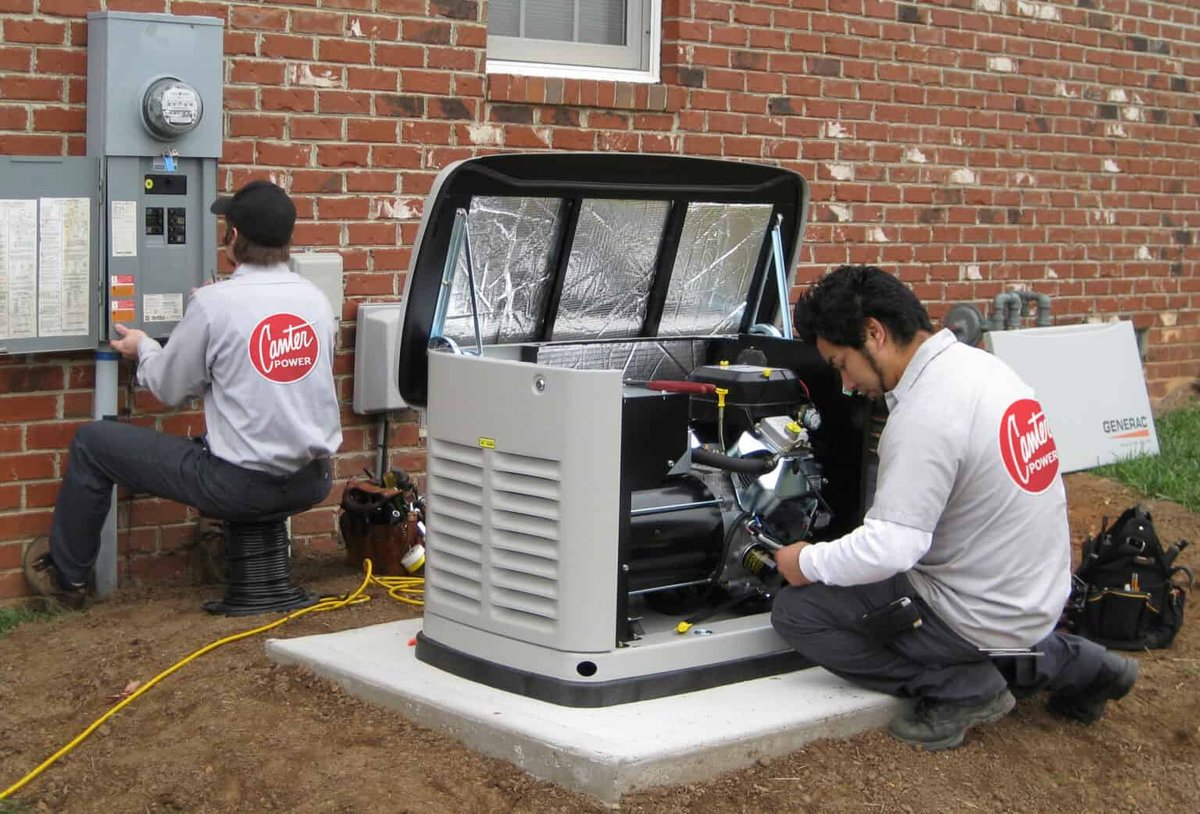
Imagine this: a severe storm hits, the power goes out, and your home remains a beacon of light and warmth. That's the promise of a standby generator – an invaluable investment for peace of mind and protection against unexpected outages. But how much does this modern convenience truly cost? Understanding the financial commitment upfront is key to making an informed decision for your home.
For many homeowners, the idea of a whole-house standby generator is appealing, yet the price tag can seem daunting. On average, you can expect a whole house generator to cost between $6,000 and $11,000 installed. This isn't just a simple purchase; it's a comprehensive project involving equipment, skilled labor, and often, permits.
Understanding the Core Investment: What Does a Standby Generator Truly Cost?
The overall cost of a standby generator isn't a single figure, but rather a combination of the generator unit itself and the intricate installation process. While a portable generator might offer a cheaper entry point, a standby system provides automatic, seamless power during an outage, offering unparalleled convenience and safety. To truly grasp what your investment entails, it's helpful to Explore standby generator installation costs by understanding each component.
Decoding the Price Tag: Unit vs. Installation Expenses
Breaking down the total cost reveals two primary categories:
- The Generator Unit: The actual generator unit alone typically ranges from $3,000 to $6,000. This price varies significantly based on factors like brand, power output (kW), and fuel type. Top brands such as Generac, Kohler, Briggs & Stratton, and Cummins offer a range of models designed to meet diverse home needs.
- Installation Labor: This is often the most variable part of the equation, typically running between $3,000 and $5,000. However, for more complex installations, such as those requiring longer distances for gas lines or electrical conduits, or for systems larger than 20 kW, labor costs can climb to $5,000 to $12,000+. This ensures the system is correctly integrated into your home's electrical and fuel systems.
Once installed, these units are designed for longevity, lasting 15 to 30 years or 10,000 to 30,000 hours, and come with substantial warranties, usually 5 to 10 years. They activate automatically, providing continuous power for extended periods – up to 500 hours (about three weeks) – ensuring your home remains functional through prolonged outages.
Key Factors That Drive Your Generator Installation Price
The final price tag on your standby generator installation isn't arbitrary; it's influenced by several critical elements unique to your home and chosen system. From the type of generator to its placement, each decision contributes to the overall investment. For a comprehensive look into these variables, you'll want to review the Factors Influencing Standby Generator Installation.
Generator Type and Size: Finding the Right Power Match
The heart of your standby system is the generator itself, and its specifications play a major role in cost.
- Fuel Source: Different fuel types come with distinct price points and operational considerations:
- Natural Gas Generators: Units typically cost $3,000 to $6,000 for homes up to 3,000 square feet. They connect directly to your home's existing gas line, offering continuous fuel supply.
- Liquid Propane (LP) Generators: Units range from $2,000 to $6,000. These are excellent where natural gas isn't available, but require a separate propane tank installation.
- Diesel Generators: Generally the most expensive, with units costing $5,000 to $18,000. They are robust and fuel-efficient but require a dedicated fuel tank and regular fuel refills.
- Power Output (kW): The size of your generator, measured in kilowatts (kW), determines how much of your home it can power. A 13 to 20 kW generator is typically sufficient for a home up to 3,000 square feet. The larger the generator, the higher the unit cost. For instance, air-cooled generator installations, including materials, average around $6,897.
- Brand and Features: Leading brands like Generac (7-24 kW: $2,000 to $5,000 unit), Kohler (6-48 kW: $2,700 to $16,000 unit), Briggs & Stratton (10-48 kW: $2,400 to $15,300 unit), and Cummins (13-40 kW: $3,100 to $13,900 unit) offer various features, warranties, and efficiencies that impact their pricing. To ensure you're getting the best value for your specific needs, it's critical to spend time Choosing Your Standby Generator Wisely.
Fuel Source, Location, and Site Specifics
Beyond the generator unit itself, the complexity of connecting it to your home's infrastructure significantly impacts installation costs.
- Distance to Utilities: How far the generator is from your existing electrical panel and natural gas meter (or where a propane tank will be placed) influences the length of wiring and gas plumbing needed. Longer distances mean more materials and labor, potentially requiring extensive trenching for conduits and pipes.
- Propane Tank Installation: If you opt for an LP generator and don't have an existing tank, budgeting for a new propane tank (typically $400 to $1,800) is essential.
- Generator Placement: Strict regulations dictate where a generator can be installed. It must be outdoors, at least five feet away from doors, windows, vents, and flammable materials. Site accessibility for equipment and workers can also play a role in labor costs.
Beyond the Generator: Essential Additional Costs to Budget For
The generator unit and basic labor are just part of the picture. Several other components and services contribute to the overall standby generator installation cost, ensuring the system operates safely, efficiently, and legally.
The Role of Permits and Site Preparation
Before any work begins, permits are a non-negotiable step to ensure your installation complies with local codes and safety standards.
- Permits: Expect to pay $80 to $450 total for electrical, plumbing, and mechanical permits. These are crucial for your safety and to avoid potential issues with insurance or future home sales.
- Concrete Pad: Generators require a stable, level foundation. A 3- to 4-inch thick concrete pad typically costs $150 to $400. This provides the necessary support and vibration dampening.
Understanding these foundational requirements is paramount, and you can learn more about navigating these necessities by reviewing Permits, Regulations, and Site Preparation.
Electrical Work and Gas Plumbing
Connecting your generator to your home's power grid and fuel source requires specialized expertise.
- Electrician Labor: Electricians typically charge $50 to $130 per hour. Their work involves wiring the generator to your electrical panel and transfer switch.
- Gas Line Installation: If you're connecting to natural gas or running a line to a propane tank, gas line installation can cost $15 to $50+ per linear foot, depending on the materials and complexity.
Transfer Switches and Interlocks
These components are vital for safe and automatic power transfer.
- Automatic Transfer Switch: A standby generator is permanently wired into your electrical panel and requires an automatic transfer switch to sense outages and activate the generator. This switch, including installation, costs $400 to $2,500.
- Generator Interlock: While portable generators might use a generator interlock kit (costing $400 to $850 installed) to connect safely without a full transfer switch, standby generators typically include or integrate with an automatic transfer switch for hands-free operation.
Professional Installation vs. DIY: Weighing Your Options
Given the complexity of integrating a standby generator with your home's electrical and gas systems, professional installation is almost always the recommended, and often legally required, route. Handling high-voltage electricity and gas lines incorrectly poses significant safety risks, including fire, electrocution, and carbon monoxide poisoning.
While the allure of saving on labor costs might tempt some to consider a DIY approach, the specialized knowledge required for safe and compliant installation of an automatic standby generator system is substantial. Improper installation can void warranties, lead to code violations, and, most critically, endanger your household. To fully understand the implications, we highly recommend you compare DIY vs. Professional Generator Installation.
Maximizing Your Investment: Longevity and Return
A standby generator isn't just an expense; it's a long-term investment that adds significant value to your home and quality of life.
- Home Value & ROI: A whole house generator can provide up to a 150% return on investment and potentially increase your home's value by 5%. This reflects the growing demand for reliable power in an era of unpredictable weather.
- Lifespan: With proper care, these units last 15 to 30 years, delivering decades of dependable service.
- Maintenance: To ensure this longevity, annual maintenance is crucial. Expect to budget $200 to $650 per year for professional inspections, oil changes, and filter replacements. DIY maintenance kits are available for $20 to $110 for those comfortable with basic upkeep.
Finding the Right Professional for Your Standby Generator Installation
Choosing the right installer is as important as selecting the right generator. Improper installation can lead to costly repairs, safety hazards, and voided warranties. For natural gas and propane generators, it's imperative to use a professional certified for gas plumbing in addition to electrical work.
Here’s how to find the best installer:
- Get Multiple Estimates: Always obtain at least three in-person estimates to compare pricing and approaches.
- Seek Expertise: Look for electricians and general contractors with proven experience in home generator installations.
- Check References & Reviews: Review past work and read testimonials on platforms like HomeGuide or Google.
- Verify Credentials: Ensure the company is insured, bonded, and has been in business for over five years.
- Avoid Low-Ball Offers: The lowest quote might indicate corners being cut or hidden costs.
- Demand a Written Contract: A clear contract detailing all costs, timelines, and warranties is essential. Avoid large upfront payments and agree on a payment schedule.
Important Questions to Ask Your Installer:
- How long have you been installing home generators, and how many have you installed?
- Who is responsible for the gas plumbing—your company or a subcontractor?
- Can you provide references from previous generator installations?
- Are you licensed, bonded, and insured for this type of work?
- What potential associated costs (like additional trenching or electrical upgrades) should I be aware of?
- Will you handle all necessary permits, and are those costs included in the estimate?
- What is the payment schedule, and what warranties do you offer on your work?
Investing in a standby generator is a significant decision, but one that promises comfort, security, and added value to your home. By understanding the various cost components and entrusting the installation to qualified professionals, you can ensure a reliable power solution for years to come.